Digital Footprint Challenge: TryHackMe OSINT Write-Up
A spoiler-filled walkthrough of the TryHackMe Digital Footprint challenge, using visual clues, web archives, landmark research, and document metadata.
The Digital Footprint challenge on TryHackMe is an OSINT investigation built around the fictional ACME Jet Solutions. Across four tasks, I used clues from a property photo, archived web records, a city landmark, and a leaked document to piece together the company’s history and identify the final flag.

Spoilers: This walkthrough includes the investigation steps and flags for the challenge.
Task 1: Locate the property
The first task asks where a photograph of a residential property was taken. Rather than trying to identify every detail in the image, I focused on its most distinctive clue: the ADT Armed Response security sign.
That clue points to South Africa. From there, checking the location of ADT’s head office helped narrow down the city.
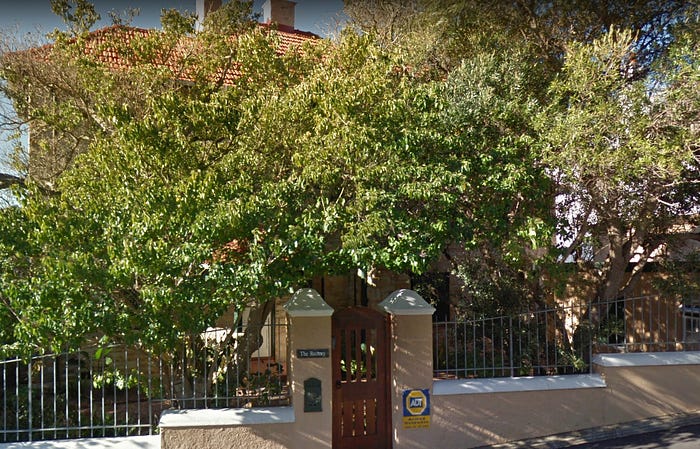
Flag: THM{Johannesburg}
Task 2: Check the website’s history
ACME Jet Solutions claims it was founded in 2025, but the task asks when its website first appeared online. The Internet Archive’s Wayback Machine can reveal earlier captures of a site and provide evidence that predates a company’s public claim.
I searched for the challenge’s domain in the archive and checked its earliest recorded capture. The timestamp in the archive record gives the requested date and time.
Flag: THM{20160210224602}
Task 3: Identify the Dublin landmark
The next image shows a landmark beside a building connected to a country’s independence. I first identified the landmark as The Spire of Dublin, then used its location to find the neighboring building: the General Post Office (GPO).
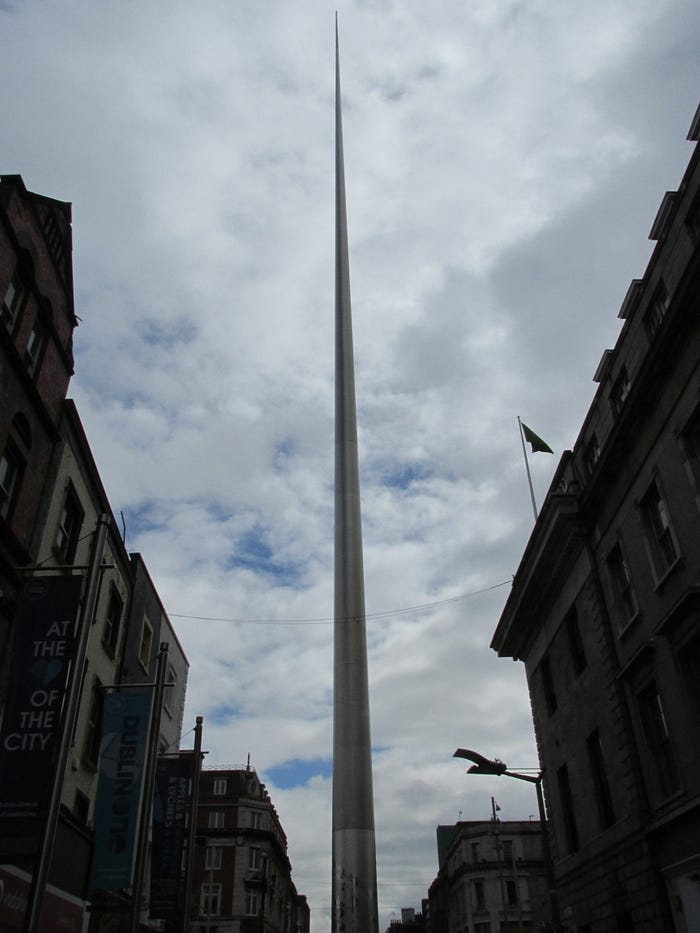
Flag: THM{General Post Office}
Task 4: Find the final flag
The final task centers on an office document and a reference to a video upload. Document properties can retain useful context, so I examined the provided file’s metadata and found an internal username. Searching for the corresponding public YouTube profile connected that clue to the final flag.
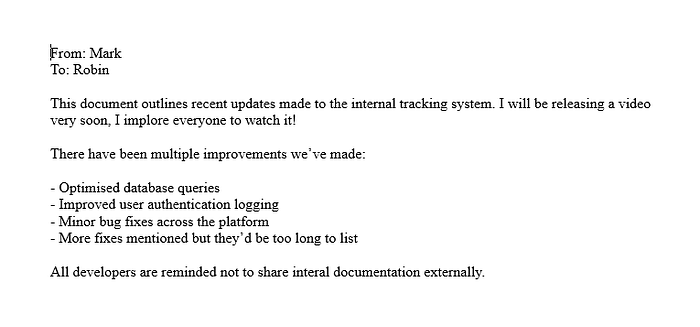
Flag: THM{Y0u_f0und_7h3_fin4l_fl4g!}
What I learned
This room was a good reminder that OSINT is often about connecting small, public clues rather than relying on one source. A sign in a photograph, an archived timestamp, the location of a landmark, and document properties each provided a piece of the investigation.
When researching real people or organizations, keep the work within legal and ethical boundaries and avoid using discovered information to expose or target anyone.
This write-up is adapted from my original Medium article.